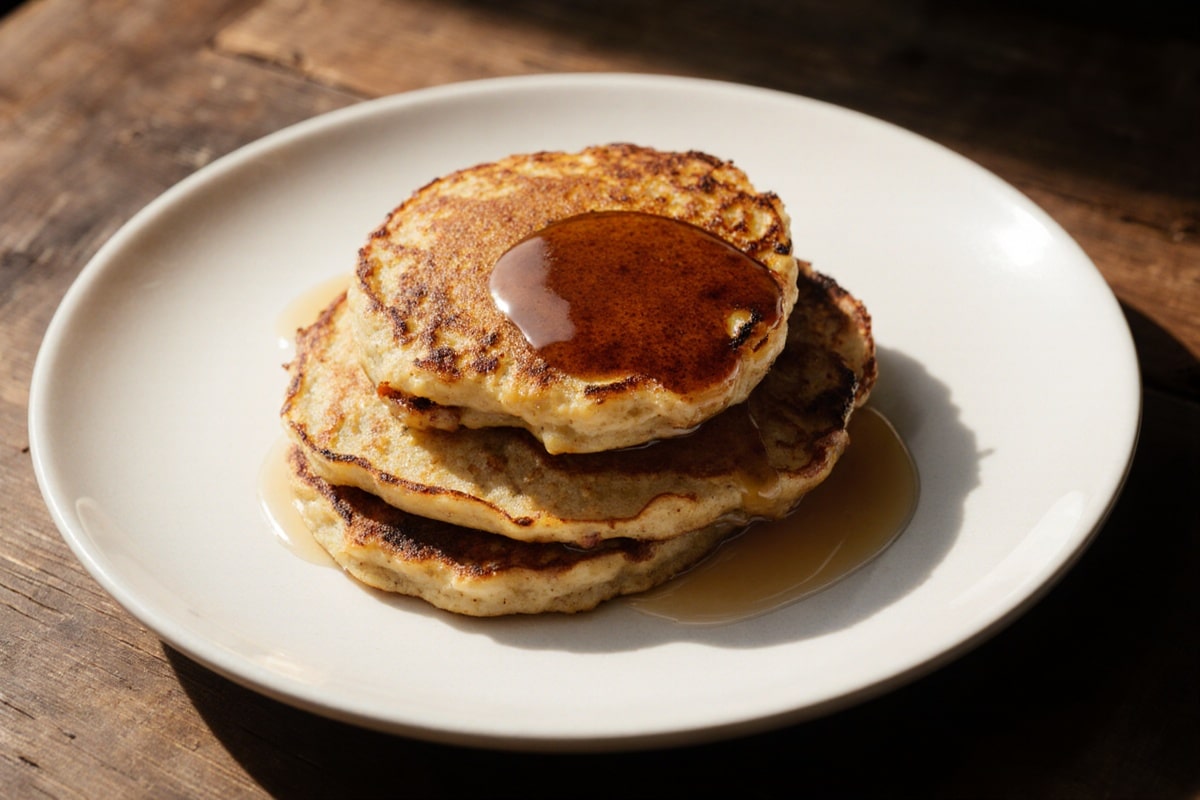
Scotch Pancakes: The Quintessential Fluffy Teatime Snack vs. American Breakfast Staple
Imagine a small stack of golden, pillowy pancakes, gently sweet and ready to be adorned with a pat of butter and a spoonful of raspberry jam. These aren't your typical Sunday morning American flapjacks; these are
Scotch pancakes, also lovingly known as
drop scones. Originating from the heart of Scotland, these delightful morsels offer a distinct culinary experience, standing apart from their transatlantic cousins both in character and tradition. While they certainly make a wonderful start to the day, their true heritage lies in brightening up afternoon tea, providing a comforting pick-me-up that embodies the warmth of Scottish hospitality.
Growing up in Scotland, for many, these fluffy rounds were synonymous with the word "pancake." The thinner, crepe-like British pancakes were usually reserved for the celebratory fanfare of Shrove Tuesday, or Pancake Day, a delicious annual tradition. But for everyday indulgence, the sturdy, satisfying drop scone reigned supreme. This article delves into what makes Scotch pancakes so special, how they stack up against American-style pancakes, and how you can master these simple yet sublime treats in your own kitchen.
What Defines a Scotch Pancake (Drop Scone)?
At its heart, a Scotch pancake is a testament to simple ingredients yielding extraordinary results. Made from basic pantry staples like flour, sugar, egg, milk, and a leavening agent, they come together quickly to form a gently flowing batter. The name "drop scone" is incredibly descriptive: you literally drop spoonfuls of the batter onto a hot cooking surface, and they are considered a close relative to the classic baked scone, albeit with different proportions and a griddle-cooked preparation.
These traditional Scottish pancakes boast several key characteristics:
- Size: Typically smaller than American pancakes, about a heaped dessert spoonful or two tablespoons in size. This allows for cooking several at once and makes them perfect for little hands or delicate teatime servings.
- Texture: Incredibly light and fluffy, yet with a satisfying chew. They have a softer, slightly denser crumb than many airy American pancakes, a nod to their scone heritage.
- Sweetness: Generally less sweet than American pancakes. This subtle sweetness allows for greater versatility in toppings, from savory to sweet, without overwhelming the palate.
- Serving Tradition: While perfectly acceptable for breakfast, their traditional role is as a teatime snack. Think of them as an after-school treat or a delightful accompaniment to a hot cup of tea in the afternoon.
They are a culinary comfort, offering a taste of Scottish tradition with every bite. The simplicity of their preparation means you can whip up a batch in under 20 minutes, making them an ideal choice for any spontaneous craving.
Scotch Pancakes vs. American Pancakes: A Fluffy Face-Off
While both Scotch pancakes and American pancakes fall under the broad umbrella of "pancakes" – griddle-cooked, leavened flatbreads – they possess distinct personalities. Understanding these differences can help you appreciate the unique charm of each.
Size and Shape
American pancakes are often larger, sometimes filling an entire griddle, designed to be stacked high for a hearty breakfast.
Scotch pancakes, by contrast, are petite, typically no more than 3-4 inches in diameter. Their smaller size makes them ideal for communal platters at teatime or for children.
Sweetness Profile
This is perhaps one of the most noticeable distinctions. American pancakes often feature a more pronounced sweetness within the batter, sometimes enhanced by vanilla extract or other flavourings. Scotch pancakes are purposefully less sweet, which means they act as a beautiful canvas for accompaniments. This difference in sweetness often reflects broader taste preferences between the UK and the US.
Density and Fluffiness
Both styles aim for fluffiness. However, American pancakes often achieve a very airy, almost sponge-like texture, largely due to higher leavening. Scotch pancakes are undeniably fluffy, but with a slightly firmer, more substantial crumb – a quality that hints at their "scone" lineage. They hold up well to toppings without becoming soggy.
Traditional Serving Occasions
American pancakes are almost exclusively a breakfast affair, often associated with weekend brunches.
Scotch pancakes, while delicious for breakfast, shine brightest as a teatime snack. They are the perfect accompaniment to a mid-afternoon cuppa, a lighter alternative to heavier baked goods. Their quick preparation time also makes them ideal for an impromptu treat.
Toppings and Accompaniments
The less sweet nature of Scotch pancakes opens up a world of topping possibilities. Traditionally, they are served simply with butter, a dollop of jam (raspberry or strawberry are favourites), honey, or a sprinkle of granulated sugar. While maple syrup can be used, it's less traditional than with American pancakes, which are practically synonymous with a generous pour of golden syrup, fresh fruit, whipped cream, or even savoury sides like bacon. The modest sweetness of drop scones allows the quality of the butter and jam to truly shine.
Crafting the Perfect Scotch Pancake: Ingredients & Technique
Making perfect
Scotch pancakes is a surprisingly straightforward process, requiring minimal fuss and simple ingredients. The key lies in understanding the balance of the batter and the cooking method. For a comprehensive guide to mastering these delightful treats, including detailed step-by-step instructions, be sure to read our article
Master Fluffy Scotch Pancakes: Quick & Easy Drop Scones.
Essential Ingredients
The beauty of these pancakes lies in their simplicity:
- Flour: Traditionally, self-raising flour is used in Scotland, negating the need for separate leavening agents. If using all-purpose (plain) flour, you'll need to add baking powder and a pinch of salt to achieve the desired rise.
- Sugar: Just a little granulated sugar to provide a gentle sweetness.
- Egg: Acts as a binder and adds richness.
- Milk: The liquid component, adjusting the batter's consistency.
- Butter (or Oil): Melted butter adds a superior flavour, though oil can be used for convenience.
Mixing the Batter for Fluffy Results
The secret to fluffy Scotch pancakes lies in careful mixing. Overmixing can develop the gluten in the flour too much, leading to tougher pancakes.
- Start by gently whisking your dry ingredients together in a bowl. This ensures even distribution of the leavening agent.
- In a separate bowl, whisk your wet ingredients (egg, melted butter/oil, most of the milk).
- Gradually pour the wet mixture into the dry ingredients, stirring just until combined. A few lumps are perfectly fine; resist the urge to overmix! The batter should be smooth, yet gently flowing, slowly dripping from your spoon.
- A practical tip is to hold back a little milk at first and add it gradually until you achieve the perfect consistency. This prevents waste and ensures you don't end up with a too-runny batter.
For those who appreciate culinary excellence, exploring variations like
Gordon Ramsay's Scotch Pancakes: Fluffy UK Teatime Staple offers insights into achieving consistently perfect, golden results every time.
The Art of Cooking
Traditionally, Scotch pancakes are cooked on a "girdle" – the Scottish name for a griddle. However, a good quality non-stick frying pan or skillet works just as effectively.
- Heat your pan over medium heat. A lightly greased pan (with butter or a neutral oil) is usually sufficient.
- Drop spoonfuls of batter onto the hot surface, leaving space for them to spread slightly.
- Cook until small bubbles appear on the surface and the edges begin to set, then flip and cook the other side until golden brown and cooked through.
The relatively small size of Scotch pancakes means they cook quickly, making them a fantastic speedy snack.
Serving Your Scotch Pancakes: Beyond the Basic
While a simple spread of butter and jam is undeniably classic, there are countless ways to enjoy your freshly made
Scotch pancakes.
- Traditional: Butter and a favourite jam (raspberry, strawberry, or blackcurrant are excellent choices). A sprinkle of caster sugar on hot pancakes is also a delightful and simple option.
- Sweet Variations: Drizzle with honey or a light maple syrup. Top with fresh berries (strawberries, blueberries, raspberries) and a dollop of crème fraîche or plain yogurt. A dusting of powdered sugar adds an elegant touch.
- Modern Twists: Experiment with chocolate hazelnut spread, lemon curd, or even a savory pairing with smoked salmon and cream cheese for an unconventional brunch.
Regardless of how you serve them, Scotch pancakes are best enjoyed warm, straight from the pan. Leftovers can be stored in an airtight container and gently reheated in a microwave or toaster for a quick snack later.
Conclusion
Scotch pancakes, or drop scones, are more than just a recipe; they are a cherished piece of Scottish culinary heritage. Their unique balance of fluffiness, subtle sweetness, and smaller size makes them perfectly suited for a comforting teatime snack, distinguishing them wonderfully from their American breakfast counterparts. Easy to prepare and incredibly versatile, these delightful golden rounds offer a taste of tradition and a moment of simple joy. Whether you're seeking a quick breakfast solution or an authentic British afternoon treat, mastering the art of the Scotch pancake is a rewarding endeavour that promises fluffy, flavourful satisfaction every time.